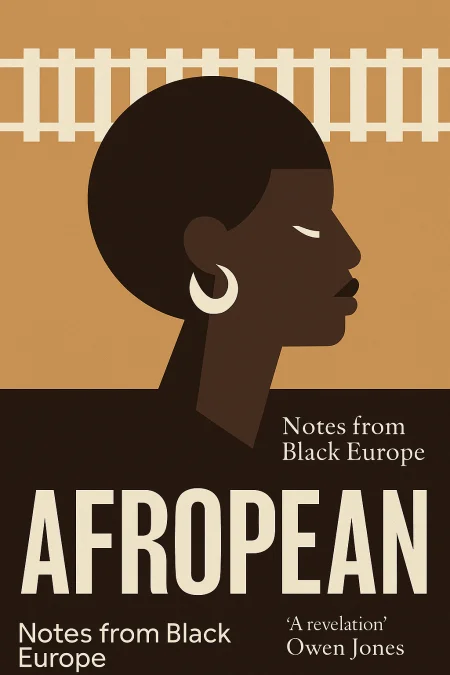
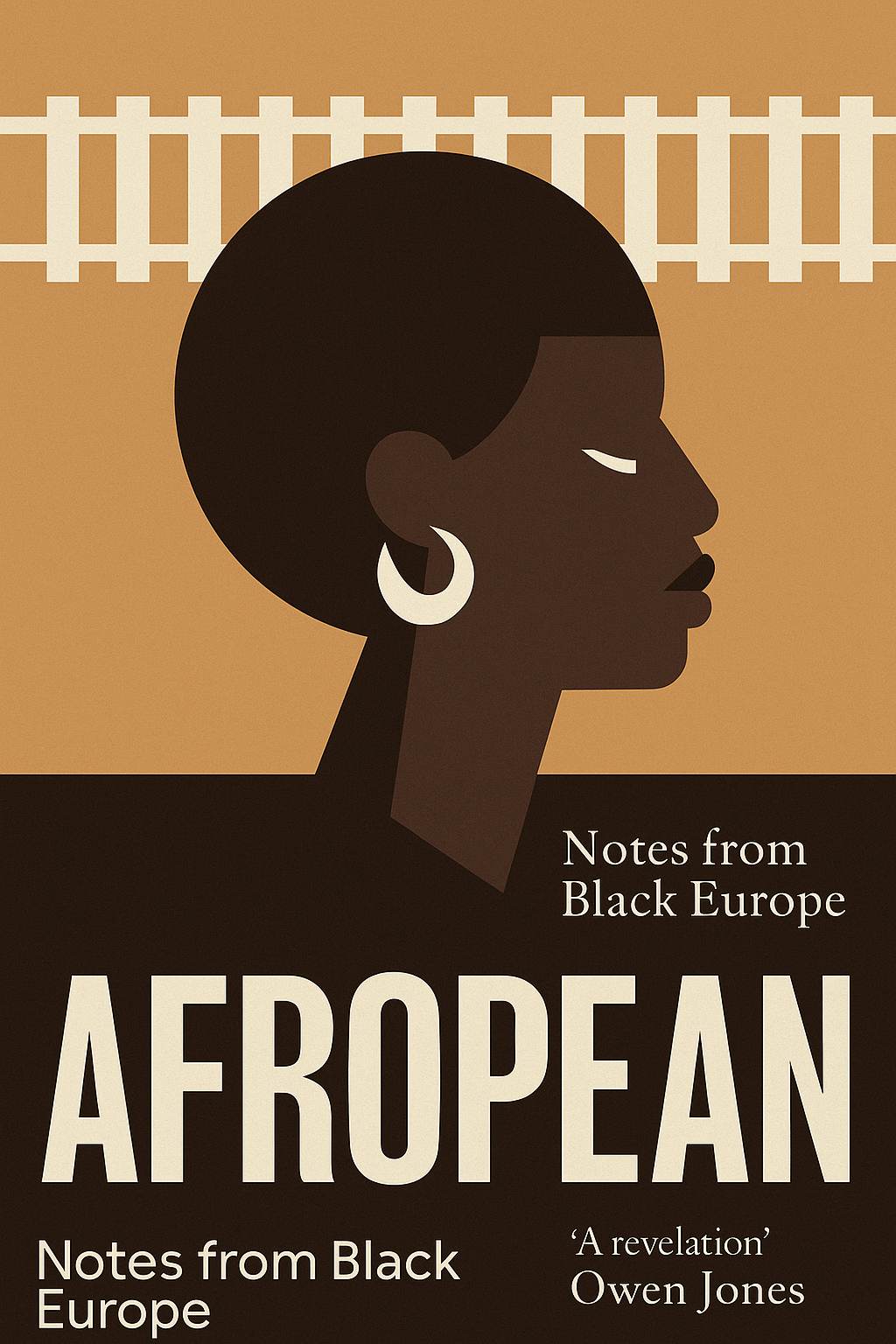
Afropean
Notes From Black Europe
Book Edition Details
Summary
In the heart of Europe, where historical legacies intertwine with modern identities, Johny Pitts embarks on a transformative journey that uncovers the vibrant tapestry of the Afropean experience. With each step, Pitts peels back the layers of bustling Algerian markets, the rhythmic pulse of German reggae, and the spiritual echoes of Surinamese shamanism. This is not just a travelogue; it's a vivid chronicle of resilience and identity, where Black Europeans emerge as narrators of their own tales against the backdrop of a continent in flux. From the shadowed streets of Clichy Sous Bois to the resilient spirit of Moscow's former Patrice Lumumba University, Pitts paints an unfiltered portrait of communities forging new paths, challenging the remnants of colonialism, and demanding recognition in Europe's unfolding narrative. "Afropean" is an evocative testament to the enduring spirit of those who shape their destinies amid the shifting sands of cultural identity.
Introduction
In the shadowy corners of European train stations, behind the gleaming facades of world-famous museums, and within the vibrant communities tucked away in forgotten suburbs, a different story of Europe unfolds. This is not the Europe of tourist postcards or history textbooks, but a continent shaped by centuries of African presence, resistance, and cultural exchange. From the Congolese artists of Brussels to the Surinamese activists of Amsterdam, from the banlieues of Paris to the intellectual salons where revolutionary ideas once flourished, black Europeans have been writing themselves into the continent's story for generations. This journey reveals how colonial histories continue to shape modern European societies, how communities of color navigate between belonging and exclusion, and how new forms of identity emerge from the intersection of African heritage and European experience. The book challenges comfortable narratives about multiculturalism and integration, exposing the persistent structures that keep certain voices marginalized while celebrating the creativity and resilience that flourishes despite these obstacles. For anyone seeking to understand the true complexity of contemporary Europe, or those curious about how identity forms in the spaces between cultures, this exploration offers both uncomfortable truths and inspiring possibilities for what European society might become.
Colonial Foundations: From Empire Building to Urban Segregation (1880s-1960s)
The roots of black European identity stretch deep into the colonial era, when European powers carved up Africa and the Caribbean at the 1884 Berlin Conference, creating the economic foundations for their modern prosperity. In Belgium, the brutal exploitation of the Congo under King Leopold II generated the wealth that built Brussels' grand boulevards and museums, while simultaneously creating the conditions that would eventually bring Congolese communities to the heart of Europe. The Royal Museum for Central Africa in Tervuren stands as a testament to this history, its dusty halls filled with artifacts stolen from a continent portrayed as savage and primitive, even as European civilization was built on unprecedented violence and extraction. This colonial relationship was never simply about geography or economics, but about the creation of racial hierarchies that justified exploitation. The propaganda of the time, from museum displays to children's comics like Tintin in the Congo, painted Africans as childlike beings in need of European guidance, while European men were depicted as natural leaders bringing order to chaos. These narratives became so deeply embedded in European consciousness that they survived the end of formal colonialism, morphing into new forms of exclusion and marginalization that persist today. The transition from colonial empire to postwar immigration created a peculiar dynamic where former subjects became unwelcome guests in the motherland. Countries like Britain and France actively recruited workers from their colonies to rebuild after World War II, yet never prepared their societies for the permanent presence of these communities. The promise of citizenship and belonging was always conditional, dependent on remaining invisible and grateful. When economic prosperity waned, these same communities became convenient scapegoats for broader social problems, their presence reframed as invasion rather than invitation. This colonial legacy manifests today in the geography of European cities, where communities of color are systematically pushed to the peripheries, from the banlieues surrounding Paris to the housing estates of Amsterdam. The spatial segregation mirrors the psychological segregation, creating parallel worlds where different versions of European identity coexist without truly meeting, setting the stage for the cultural resistance that would emerge in subsequent decades.
Cultural Resistance: Identity Formation Through Art and Community (1960s-1990s)
Against this backdrop of exclusion and marginalization, black European communities consistently created spaces of resistance and self-definition through culture. The emergence of Afropean identity represents more than just a clever portmanteau—it signals a refusal to accept the either-or logic that demands choosing between African heritage and European belonging. Artists like Marie Daulne of Zap Mama pioneered this sensibility, weaving together Pygmy polyphony with European avant-garde traditions, creating something entirely new that belonged fully to neither Africa nor Europe yet drew strength from both. The cultural spaces where this identity flourished often existed in the margins, from the hip-hop scenes of Sheffield and Amsterdam to the intellectual salons of Harlem expatriates in Paris. These were places where the rigid boundaries of national identity could be questioned and reimagined, where young people could see reflections of themselves that weren't defined by victimhood or exoticism. The Northern Soul movement in industrial England demonstrated how cultural exchange could work in reverse, with white working-class communities embracing black American music as a form of escape from their own economic marginalization. Yet this cultural creativity has always existed in tension with commercial appropriation and political co-optation. The same multiculturalism that celebrates diversity in the arts often serves to obscure deeper structural inequalities, allowing societies to congratulate themselves on their tolerance while maintaining systems that exclude. The challenge for black European artists has been to maintain the radical potential of their work while navigating institutions that prefer their culture sanitized and their politics muted. The archives and cultural centers that preserve this history, from Ons Suriname in Amsterdam to the various black arts organizations across Europe, represent more than just repositories of artifacts. They are spaces where alternative narratives can be constructed and transmitted, where young people can discover lineages of resistance they were never taught in school, and where the fragmented stories of diaspora can be woven into coherent traditions of struggle and achievement that would inform the political movements of the coming decades.
Contemporary Struggles: Racism, Integration and Transnational Identity (1990s-Present)
The optimistic multiculturalism of the 1990s has given way to a harsher reality where the persistence of structural racism can no longer be denied or explained away. From the violent policing of black bodies in French banlieues to the brutal arrests of anti-racism protesters in the Netherlands, European societies are being forced to confront the gap between their liberal self-image and their exclusionary practices. The rise of far-right parties across the continent has made explicit what was previously coded, creating a political climate where the belonging of non-white Europeans is openly questioned. This backlash has paradoxically created opportunities for new forms of organizing and resistance. Young activists like Jessica de Abreu in Amsterdam and Almamy Kanouté in Paris represent a generation that refuses to accept the polite racism of European liberalism, demanding not just inclusion but fundamental transformation of the systems that produce inequality. Their work builds on the foundations laid by earlier generations of activists, from the Black Panthers of London to the independence movements of the Caribbean, while adapting to contemporary conditions of surveillance and gentrification. The challenge facing these movements is how to build solidarity across the artificial divisions that have historically fragmented black European communities. The colonial legacy created hierarchies between different African and Caribbean populations, while immigration patterns scattered communities across national boundaries. Contemporary organizing requires overcoming these divisions while respecting the specific experiences of different groups, from long-established Caribbean communities to recent refugees from conflict zones. The emergence of transnational networks and digital organizing tools offers new possibilities for connection and coordination, but also new vulnerabilities to state surveillance and corporate manipulation. The success of movements like Black Lives Matter in crossing national boundaries demonstrates both the potential and the limitations of contemporary activism, showing how local struggles can achieve global resonance while remaining rooted in specific contexts of oppression and resistance. This generation of activists is forging new models of European identity that embrace complexity rather than demanding assimilation.
Summary
The story of black Europe reveals the fundamental contradiction at the heart of the continent's modern identity: the simultaneous dependence on and denial of African contributions to European civilization. From the wealth extracted through slavery and colonialism to the labor provided by postwar immigration, Africa and its diaspora have been essential to European prosperity, yet this relationship has been systematically obscured and distorted. The persistence of this denial, even in supposedly progressive societies, demonstrates how deeply colonial thinking remains embedded in European institutions and consciousness. The emergence of Afropean identity represents a potential resolution to this contradiction, offering a way of being European that doesn't require the erasure of African heritage or the acceptance of second-class citizenship. This identity is not simply additive, combining African and European elements, but transformative, creating new possibilities for what Europe itself might become. The cultural innovations and political organizing emerging from black European communities point toward more inclusive and honest ways of understanding European history and identity. For contemporary Europe, grappling with migration, economic inequality, and rising authoritarianism, the experiences of black European communities offer both warning and inspiration. Their struggles reveal the costs of maintaining systems of exclusion and hierarchy, while their creativity and resilience demonstrate the possibilities that emerge when diversity is embraced as strength rather than threat. The choice facing European societies is whether to continue defending the fiction of white European purity or to embrace the complex, hybrid reality that has always been the true foundation of European civilization.
Related Books
Download PDF & EPUB
To save this Black List summary for later, download the free PDF and EPUB. You can print it out, or read offline at your convenience.
By Johny Pitts
