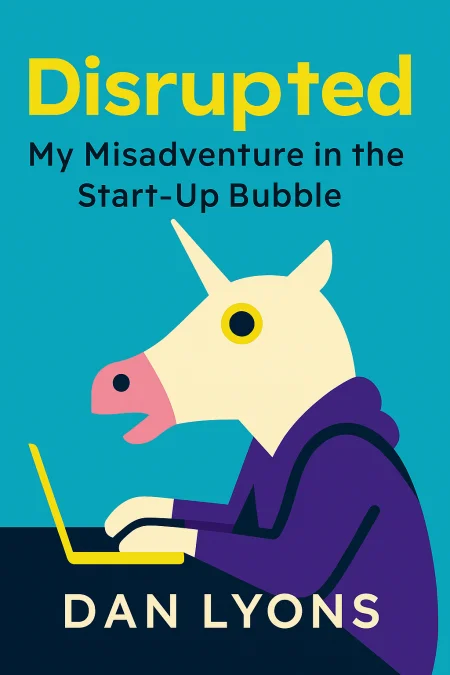
Disrupted
My Misadventure in the Start-Up Bubble
Book Edition Details
Summary
When Dan Lyons, a seasoned journalist, found himself abruptly unemployed at fifty, he leapt into the frenzied heart of a tech start-up to reinvent his career. His new gig at HubSpot, a bustling Boston firm awash with venture capital, promised excitement and stock options. Yet, beneath the veneer of innovation lay a chaotic culture, where frat-party antics met corporate cultism, and buzzwords masked absurd realities. Lyons, twice the age of his colleagues, faced a surreal world where Nerf battles interrupted meetings and the push-up club convened in the lobby. "Disrupted" offers a hilarious, sharp-eyed critique of start-up mania, spotlighting the quirky, often bizarre landscape of a second tech bubble.
Introduction
At fifty-two, Dan Lyons found himself at a crossroads that millions of American workers face in the modern economy. Once a respected technology journalist at Newsweek, he was suddenly unemployed, joining the ranks of what the magazine industry called "beached white males"—experienced professionals deemed too expensive and too old for the new digital economy. What followed was an extraordinary journey into the heart of Silicon Valley's startup culture, where youth is prized above experience and where the promise of changing the world masks a more complex reality of corporate manipulation and employee exploitation. Lyons' transformation from seasoned journalist to marketing novice at HubSpot, a Boston-based software company, offers a rare insider's perspective on the tech industry's most sacred myths. His story reveals the stark contradictions between the industry's public image of innovation and inclusivity and its private practices of age discrimination and corporate cruelty. Through his eyes, readers witness the peculiar rituals of startup culture, from mandatory fun activities to the relentless pressure to maintain perpetual optimism in the face of professional uncertainty. This journey exposes not just the personal cost of career reinvention in midlife, but the broader transformation of American work itself, where loyalty has become a one-way street and where the promise of disruption often disrupts workers' lives more than any industry.
From Newsroom to Startup: A Midlife Career Pivot
The phone call that changed everything came on a sunny Friday morning in June 2012. Sitting with his wife at their kitchen table, planning a family vacation to Austria, Lyons received word from his editor at Newsweek that his position was being eliminated. After twenty-five years in journalism, building a career that took him from local newspapers to Forbes to the pinnacle of magazine journalism, he was suddenly unemployed. The reason was brutally simple: his salary could hire five recent college graduates, and in the new economy, experience had become a liability rather than an asset. The transition from respected technology journalist to unemployed middle-aged man was jarring. Lyons had spent years writing about disruption from the comfort of his editor's chair, chronicling how technology was transforming industries and displacing workers. Now he was living that disruption firsthand, joining the ranks of the "beached white males" his own magazine had written about. The irony was not lost on him, but the financial reality was pressing. With two young children and a wife who had just left her teaching job due to health issues, unemployment was not an option he could afford. Nine months later, desperate and running low on options, Lyons made a decision that would have seemed impossible during his journalism career. He accepted a position as a "marketing fellow" at HubSpot, a Boston-based software company he had barely heard of. The job represented everything he had once viewed with journalistic skepticism, yet it offered something invaluable: a steady paycheck and health insurance. More importantly, it promised a chance to be part of the next big thing, to catch the wave of the second tech boom that was creating fortunes across Silicon Valley and beyond.
Inside the Orange Bubble: Culture and Manipulation
Stepping into HubSpot's offices was like entering an alternate universe designed by someone who had confused a workplace with a kindergarten. The company's obsession with the color orange was immediately apparent, from the walls and furniture to the mandatory orange sunglasses and T-shirts that employees wore with cultish devotion. The office featured nap rooms with hammocks, a wall of candy dispensers, beer taps, and musical instruments for impromptu jam sessions that nobody ever seemed to use. This wasn't just workplace design; it was psychological manipulation disguised as corporate culture. The manipulation extended far beyond the physical environment into the realm of language and behavior. HubSpot had created its own vocabulary, a corporate dialect called HubSpeak that transformed ordinary business concepts into mystical-sounding acronyms and buzzwords. Employees didn't just work there; they possessed "HEART" (humble, effective, adaptable, remarkable, transparent) and engaged in "delightion" while being perpetually "HubSpotty." When people were fired, they "graduated," and the company's mascot teddy bear, Molly, attended executive meetings as a stand-in for customers. This linguistic manipulation served to create an us-versus-them mentality that made questioning the company's practices seem like heresy. The culture code that governed HubSpot life was perhaps the most sophisticated element of this manipulation. Created by co-founder Dharmesh Shah, it promised radical transparency while practicing radical opacity. Employees were told they were part of a mission to change the world, that they were special, chosen, part of the best marketing team on the planet. The reality was that most were underpaid twenty-somethings working in cramped conditions under enormous pressure, but the mythology was so powerful that they genuinely believed they were living the dream. The company had successfully weaponized optimism, turning workplace dissatisfaction into a personal failing rather than a management problem.
The Dark Side of Tech Success Stories
Behind HubSpot's cheerful facade lay a more troubling reality about how modern tech companies actually operate. Despite all the rhetoric about changing the world and creating magical customer experiences, HubSpot's business model was built on old-fashioned cold-calling and spam email campaigns. The company employed hundreds of young telemarketers who spent their days badgering small business owners while the marketing department generated billions of unwanted emails monthly. This wasn't innovation; it was the digital equivalent of the boiler room operations that had existed for decades, dressed up in the language of transformation and disruption. The financial reality was equally sobering. By the time of its IPO in 2014, HubSpot had accumulated over $100 million in losses over seven years of operation. The company was spending nearly $1.50 for every dollar of revenue it generated, burning through cash while maintaining the illusion of success through aggressive marketing and hype generation. This pattern reflected a broader phenomenon in Silicon Valley, where companies could lose enormous amounts of money while making their founders and investors wealthy through the simple expedient of going public before the losses became too obvious to ignore. The human cost of this business model was perhaps the most disturbing aspect of the HubSpot story. The company's "we're not your family" philosophy, borrowed from Netflix, created a disposable workforce where employees could be terminated at will without warning or explanation. Age discrimination was not just practiced but openly celebrated, with the CEO publicly stating that "gray hair and experience are overrated." The elaborate perks and fun activities served as a smokescreen for a fundamentally exploitative relationship where workers traded job security and fair treatment for ping-pong tables and free beer. This wasn't the future of work; it was a return to the robber baron era, rebranded with startup jargon and millennial-friendly aesthetics.
Summary
Dan Lyons' journey through the startup ecosystem reveals a fundamental truth about the modern economy: the promise of disruption and innovation often masks a return to the most exploitative practices of capitalism's past. His experience at HubSpot demonstrates how companies use the rhetoric of mission and purpose to obscure their treatment of workers as disposable resources, while the mythology of entrepreneurship provides cover for age discrimination and labor exploitation. The real disruption isn't in the technology these companies create, but in their systematic dismantling of the social contract between employers and employees that once provided stability and dignity to American workers. The story offers crucial insights for anyone navigating today's economy, particularly those facing career transitions later in life. It suggests that workers must maintain a healthy skepticism about corporate culture while recognizing that the fundamental dynamics of power and profit remain unchanged beneath the surface rhetoric of transformation. Most importantly, it reminds us that in an economy where loyalty flows only upward, workers must prioritize their own interests and well-being above the seductive but ultimately hollow promises of corporate belonging and purpose.
Related Books
Download PDF & EPUB
To save this Black List summary for later, download the free PDF and EPUB. You can print it out, or read offline at your convenience.
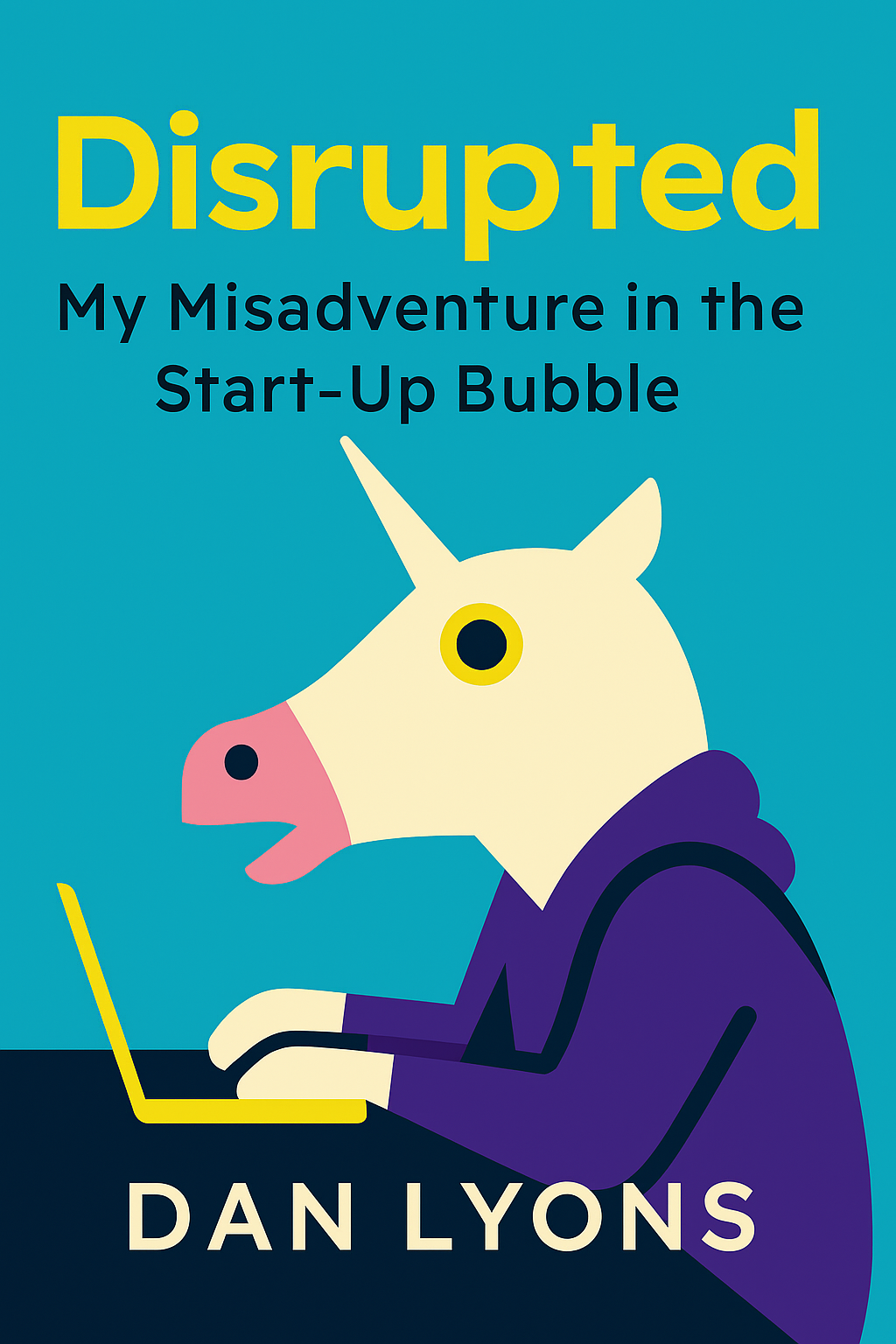
By Dan Lyons
