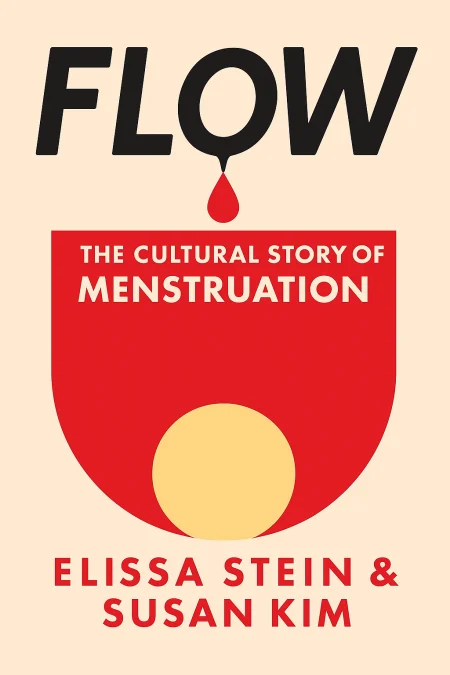
Flow
The Cultural Story of Menstruation
Book Edition Details
Summary
Periods are as old as time, yet shrouded in mystery and taboo. "Flow" throws open the curtains on this monthly phenomenon, offering a rollicking ride through its colorful history and cultural baggage. From ancient rituals to modern-day myths, this book peels back layers of misconception with humor and insight. What really is the deal with menstrual myths, and how have they shaped perceptions of womanhood across centuries? With a dash of irreverence and a sprinkle of vintage advertisements, "Flow" challenges readers to rethink what they know—or think they know—about menstruation. This is a celebration of a natural process that’s been misunderstood and stigmatized for far too long, and it’s here to set the record straight with style and wit.
Introduction
Picture this: a perfectly normal biological function that happens to half the world's population for roughly forty years of their lives, yet remains shrouded in secrecy, shame, and whispered euphemisms. We're talking about menstruation, a process so natural and universal that it's baffling how it became the ultimate taboo subject. From ancient civilizations that banished women to menstrual huts to modern pharmaceutical companies pushing period suppression, the story of menstruation reveals far more than biology—it exposes power structures, cultural anxieties, and the long struggle for women's bodily autonomy. This hidden history spans millennia, weaving through religious doctrine, medical misconceptions, commercial exploitation, and feminist awakening. It's a tale of how something as fundamental as a monthly cycle became weaponized against women, transformed into a source of shame and profit. Yet it's also a story of resistance, scientific progress, and the ongoing fight to reclaim this most basic aspect of female experience. Whether you're a woman who has navigated these cultural minefields personally, a person seeking to understand how deeply embedded taboos shape society, or simply curious about how biology becomes politics, this journey through menstrual history offers startling insights into how we got here—and where we might be headed.
Ancient Roots: Religious Taboos and Medical Misconceptions (Antiquity-1800s)
The ancient world looked upon menstruating women with a mixture of awe and terror that would echo through centuries. In Mesopotamian mythology, the goddess Tiamat was portrayed as a chaotic, menstruating ocean that had to be destroyed to prevent universal destruction. Greek philosophers like Aristotle theorized that menstrual blood was simply failed baby-making material—formless matter that needed male semen to give it shape and soul. These weren't just abstract ideas; they became foundational beliefs that positioned women as fundamentally inferior, their monthly bleeding proof of their incomplete nature. The medical establishment enthusiastically embraced these notions. Hippocrates, the so-called father of medicine, believed the uterus literally wandered around a woman's body like a restless animal, causing hysteria when it couldn't find children to nurture. This bizarre theory persisted for over a thousand years, creating the medical foundation for dismissing women's pain and experiences as mere "hysteria." Meanwhile, Pliny the Elder catalogued an impressive array of menstrual superstitions: menstruating women could kill bees with a glance, make wine turn sour, and cause crops to fail. These weren't fringe beliefs but accepted medical and social doctrine. Religious traditions codified these fears into law and ritual. Leviticus declared menstruating women "unclean" for seven days, contaminating everything they touched. Similar prohibitions appeared across cultures—Islamic law forbade menstruating women from touching the Koran or entering mosques, while Hindu traditions banished them from religious ceremonies. The solution was always the same: ritual cleansing to purge women of their monthly "pollution." These practices served a dual purpose, simultaneously controlling women's movements and reinforcing their status as spiritually and physically inferior beings who required regular purification to participate in society. The persistence of these beliefs shaped medical practice for centuries. Bloodletting became a popular treatment precisely because it mimicked menstruation, which was seen as nature's way of purging women of excess, diseased blood. The irony was profound: the same process that marked women as unclean was also viewed as proof that they needed regular bleeding to maintain health. This contradiction would prove remarkably durable, surviving the collapse of empires and the rise of new medical theories, embedding itself so deeply in cultural consciousness that its echoes persist today.
Commercial Revolution: The Rise of Feminine Hygiene Industry (1900s-1960s)
The dawn of the twentieth century brought a revolutionary shift as commercial menstrual products transformed periods from a private ordeal into a profitable enterprise. Johnson & Johnson launched the first disposable pad, Lister's Towels, in 1896, but it was Kotex's aggressive marketing campaign in the 1920s that truly changed the game. Capitalizing on the era's obsession with germs and cleanliness, early advertisements positioned menstruation as a hygienic crisis that only their products could solve. The message was clear: your natural bodily function was disgusting, dangerous, and desperately needed their technological intervention. These early marketing campaigns were masterclasses in manufactured shame. Kotex promised to help women maintain their "personal daintiness" while keeping their "secret" safe from detection. The language was deliberately clinical and euphemistic—menstrual products became "sanitary protection" and periods became "that time of the month." Companies hired researchers to conduct studies, not to understand menstruation better, but to find more effective ways to sell products. The industry's educational booklets, distributed in schools nationwide, combined basic biology with heavy product placement, effectively replacing mothers and doctors as the primary source of menstrual information for young girls. World War II marked a crucial turning point in femcare marketing. Suddenly, advertisers couldn't sell delicate femininity to women working in factories and military support roles. The messaging shifted dramatically: periods became obstacles to patriotic productivity that modern products could eliminate. Post-war advertising embraced the era's prosperity culture, featuring impossibly glamorous models in designer gowns with taglines like "Modess... because." These campaigns sold dreams rather than products, promising that the right feminine hygiene choice could unlock a world of wealth, beauty, and social acceptance. The introduction of tampons in the 1930s faced fierce resistance rooted in sexual anxiety. Many believed that inserting anything into the vagina would destroy virginity or, worse, provide sexual stimulation. Marketing campaigns carefully targeted married women only, emphasizing medical approval and proper application techniques. The Catholic Church denounced tampons as occasions of sin, while doctors worried about moral corruption. These battles over internal versus external protection revealed how deeply menstrual products had become entangled with questions of sexual purity, moral character, and appropriate femininity—debates that would continue to shape the industry for decades to come.
Feminist Awakening: Challenging Shame and Reclaiming Bodies (1970s-1990s)
The women's liberation movement of the 1970s brought unprecedented scrutiny to an industry built on shame and secrecy. Feminist health activists began asking uncomfortable questions: Why were tampons linked to potentially deadly Toxic Shock Syndrome? What chemicals were actually in these products that women used for decades of their lives? Why was menstruation treated as a medical problem requiring commercial solutions rather than a natural process deserving honest information? The 1980 TSS crisis, which killed 38 women and sickened hundreds more, became a watershed moment that exposed the industry's willingness to prioritize profits over women's safety. Consciousness-raising groups encouraged women to share their menstrual experiences openly for the first time in generations. Books like "Our Bodies, Ourselves" provided frank, non-commercial information about menstruation, challenging both medical paternalism and advertising manipulation. Some feminists went further, organizing "period extraction" workshops where women learned to remove their menstrual flow using specialized equipment—a radical assertion of bodily autonomy that horrified both medical establishments and product manufacturers. These activities represented more than health advocacy; they were direct challenges to industries and institutions that had profited from women's ignorance and shame. The movement's impact extended beyond activism into popular culture and policy. Judy Blume's "Are You There God? It's Me, Margaret" gave voice to girls' authentic menstrual experiences, becoming one of the most frequently banned books in school libraries. The first menstrual product advertisements appeared on television in 1972, though they remained heavily euphemistic and featured blue liquid instead of red. Tampon manufacturers were forced to standardize absorbency ratings and include warning labels about TSS. Women's health clinics proliferated, offering alternatives to male-dominated medical practices and commercial menstrual education programs. Yet the feminist challenge to menstrual shame faced significant backlash and internal contradictions. Some feminists embraced menstrual suppression as liberation from biological constraints, while others celebrated periods as expressions of divine feminine power. The movement's focus on choice and individual empowerment sometimes obscured structural issues like environmental impact and corporate manipulation. Meanwhile, the industry adapted by co-opting feminist language, marketing products as tools of empowerment rather than shame management. This complicated legacy would shape debates about menstruation for decades, as genuine progress toward openness and safety competed with increasingly sophisticated forms of commercial manipulation.
Modern Crossroads: Corporate Control vs. Alternative Empowerment (2000s-Present)
The twenty-first century has witnessed the pharmaceutical industry's boldest gambit yet: convincing healthy women that menstruation itself is obsolete. Products like Seasonale, Lybrel, and continuous birth control pills promise to eliminate periods entirely, marketed as the ultimate liberation from biological constraint. These campaigns represent the logical endpoint of centuries of menstrual stigma—if periods are inherently problematic, why not simply eliminate them? The messaging is seductive: modern women are too busy and accomplished to be burdened by their ancestors' biological limitations. Yet the science behind menstrual suppression remains surprisingly thin, based on short-term studies with limited participants, while the long-term consequences remain largely unknown. This pharmaceutical push has coincided with growing environmental consciousness about disposable menstrual products. The average woman disposes of 250 to 300 pounds of pads, tampons, and applicators during her lifetime, contributing to massive landfill waste and ocean pollution. Menstrual cups, cloth pads, and other reusable alternatives have gained mainstream acceptance, supported by social media communities and environmental advocates. These products challenge not only the environmental impact of disposable menstruation but also the medicalized approach that treats periods as hygienic emergencies requiring constant product consumption. The internet has democratized menstrual discourse in unprecedented ways, creating spaces for honest conversation that bypass both medical gatekeeping and commercial filters. YouTube channels, Instagram accounts, and online forums allow people to share experiences, product reviews, and educational content without corporate mediation. Period poverty has emerged as a recognized social justice issue, with activists advocating for free menstrual products in schools and workplaces. Countries like Scotland have eliminated taxes on menstrual products and guaranteed free access, while others continue to tax tampons as luxury items rather than medical necessities. Yet digital spaces have also enabled new forms of commercial manipulation. Influencer marketing, targeted advertising, and data collection allow companies to reach consumers more intimately than ever before. The rise of "femtech" startups promises personalized menstrual solutions while collecting unprecedented amounts of data about women's bodies and cycles. Period-tracking apps, marketed as empowerment tools, often share intimate health information with third parties. As we stand at this crossroads between traditional shame and emerging transparency, between corporate control and grassroots empowerment, the future of menstruation remains an open question—one that will be answered by the choices we make about our bodies, our environment, and our willingness to challenge centuries of embedded stigma.
Summary
The hidden history of menstruation reveals a consistent pattern: those in power—whether religious leaders, medical professionals, or corporate executives—have consistently used women's natural bodily functions to maintain control and generate profit. From ancient taboos that banished women to menstrual huts to modern pharmaceutical campaigns promoting period elimination, the story remains remarkably consistent. Each generation wraps its menstrual anxieties in contemporary language—religious pollution, medical pathology, hygienic crisis, lifestyle optimization—but the underlying message never changes: women's natural cycles are problems requiring external management and control. Yet this history also demonstrates the power of knowledge and collective action to challenge even the most entrenched systems of shame and exploitation. The feminist health movement's successes in exposing toxic shock syndrome, demanding product safety testing, and creating alternative sources of information prove that seemingly immutable taboos can be confronted and changed. Today's environmental movement and period poverty activism continue this tradition, using new tools to address persistent problems. The key insight from this long struggle is that menstrual shame serves specific interests—it keeps women uncomfortable with their bodies, dependent on commercial solutions, and distracted from asking deeper questions about power and profit. Moving forward, we must recognize that true menstrual liberation requires more than better products or reduced stigma—it demands a fundamental shift in how we understand women's bodily autonomy and natural processes. This means supporting comprehensive, non-commercial menstrual education; advocating for environmental sustainability in product development; ensuring access to menstrual supplies as a basic human right; and continuing to challenge the assumption that women's bodies are inherently flawed and require constant correction. Most importantly, it means refusing to accept shame as the price of menstruation and insisting on honest, open conversations about this most basic aspect of human biology. Only by understanding how we arrived at our current moment can we imagine and create a future where menstruation is neither stigmatized nor commercialized, but simply accepted as part of the human experience.
Related Books
Download PDF & EPUB
To save this Black List summary for later, download the free PDF and EPUB. You can print it out, or read offline at your convenience.
By Elissa Stein
