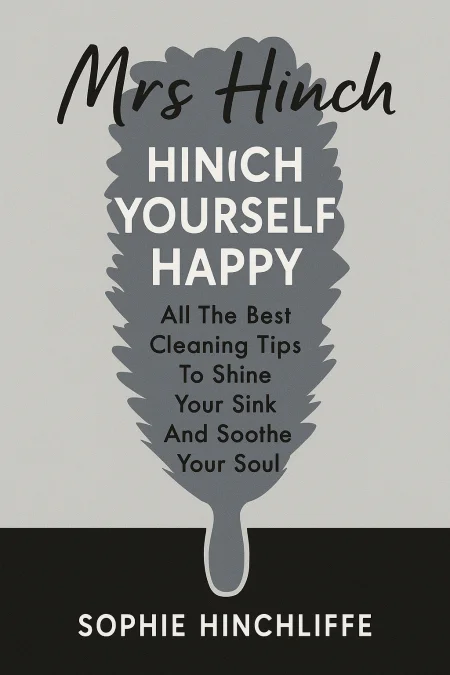
Hinch Yourself Happy
All the Best Cleaning Tips to Shine Your Sink and Soothe Your Soul
byMrs. Hinch, Sophie Hinchliffe
Book Edition Details
Summary
In a world where cleaning is often a dreaded chore, Mrs. Hinch emerges as the enchanting guide you never knew you needed. With her vivacious spirit and ingenious cleaning hacks, she transforms tidying into an art form that not only sparkles your home but also soothes your soul. Armed with her trusty cloth family, Mrs. Hinch reveals the secrets to creating a sanctuary of calm and order. Whether you're a meticulous duster or a reluctant spring cleaner, "Hinch Yourself Happy" promises a delightful escape from chaos, turning the mundane into moments of joy. Ready to see your kitchen gleam brighter than royalty? Dive into the transformative power of cleaning with Mrs. Hinch by your side, and watch as your home—and your heart—shine.
Introduction
Picture this: a young woman stands in her spotless kitchen at dawn, carefully arranging cleaning cloths she's lovingly named like family members, preparing for what she calls her "morning hinch." To outsiders, this ritual might seem unusual, even obsessive. But for Sophie Hinchliffe, better known as Mrs Hinch, this gentle routine represents something profound—a pathway from overwhelming anxiety to unexpected purpose, from isolation to connection with millions who share her struggles. What began as a private coping mechanism in a small Essex flat has blossomed into a movement that touches hearts across the globe. Through her authentic vulnerability about mental health challenges and her refreshingly honest approach to finding joy in life's simplest moments, Mrs Hinch reveals a truth many of us desperately need to hear: there's no shame in doing whatever helps you feel calm, centered, and genuinely happy. This is more than a story about cleaning—it's about discovering that our perceived quirks and coping strategies can become sources of strength, community, and even transformation. Whether you struggle with anxiety, seek authentic connection, or simply need permission to embrace what brings you peace, this journey offers gentle wisdom about finding your own path to contentment.
The Sanctuary Seeker: How Home Became Her Haven
Sophie's relationship with her home began long before she became Mrs Hinch, rooted in childhood memories of feeling safest within familiar walls. During her most challenging teenage years, when anxiety made school feel like a battlefield, she would pause her favorite film each morning before leaving, knowing it would be waiting exactly where she left it when she returned. That frozen frame became a promise—a visual anchor reminding her that home represented constancy in a world that felt unpredictable and harsh. Years later, living in a small rented flat with Jamie, Sophie found herself alone for hours each day while studying to become a hairdresser. The weight of isolation pressed down on her, and familiar anxious thoughts began their relentless spiral. It was during one particularly difficult afternoon, feeling overwhelmed by worry, that she instinctively reached for a cloth and began cleaning. Something magical happened in that moment—her racing mind began to slow, her breathing deepened, and for the first time in weeks, she felt genuinely calm. The transformation wasn't immediate, but it was consistent. Each time anxiety threatened to consume her, she discovered that caring for her space somehow helped her care for herself. Arranging her growing collection of cleaning products in small baskets, she began creating order not just in her cupboards, but in her mental landscape. What started as desperate self-preservation evolved into something beautiful—a recognition that nurturing her environment was actually nurturing her soul. Her home became more than a refuge; it became a canvas for expressing who she truly was. Every carefully chosen bargain, every lovingly maintained surface, every small ritual of care represented an act of self-acceptance and hope for the future.
Building Community Through Vulnerability and Shared Struggles
The decision to share her cleaning routine on Instagram began as pure practicality—Sophie worried she was boring friends and family with endless photos of home improvements and needed a separate space for her enthusiasm. Starting @mrshinchhome with just a handful of followers, she had no grand plan beyond creating a digital scrapbook of her decorating journey. But something extraordinary happened when she posted that first video of herself shining her sink with genuine excitement. Within hours, her inbox filled with messages from strangers who understood her joy, who shared their own struggles with anxiety, who felt less alone seeing someone celebrate the small victories that make life bearable. A young woman wrote about being bullied at school, asking if Mrs Hinch would check her messages during the school day. Sophie kept her phone close, replying throughout those difficult hours, creating an invisible thread of support across the digital divide. When the girl messaged that evening—having not only survived the day but also cleaned her bathroom floor with products she'd seen in Sophie's stories—both of them felt the profound power of shared experience. The community that formed around these honest exchanges defied every expectation. Grandmothers shared cleaning tips with teenagers, working parents found moments of zen in evening routines, and people dealing with depression discovered that small, achievable tasks could provide the momentum needed for bigger changes. The famous "website crashers"—loyal followers who would immediately purchase products Sophie mentioned—weren't driven by materialism but by the deep human need to participate in something positive and uplifting. Through her willingness to name her struggles publicly, Sophie inadvertently gave millions of people permission to admit their own challenges and find comfort in unlikely places. The magic wasn't in the cleaning products or techniques—it was in the radical act of saying "this helps me, and that's okay."
From Panic to Purpose: Transforming Anxiety into Action
Sophie's anxiety had been her unwelcome companion since childhood, manifesting in that familiar pattern many recognize—the endless loop of worry about things that hadn't happened, the physical sensation of panic rising in her chest, the overwhelming need to check and recheck whether she'd offended someone or done something wrong. During her most difficult periods, she would call friends minutes after seeing them, desperately seeking reassurance that everything was still okay between them. The breakthrough came during those solitary hours in her flat, when panic attacks felt imminent and she needed immediate relief. Grabbing the nearest cleaning cloth wasn't a planned strategy—it was pure instinct. But she quickly realized that the physical act of cleaning created a bridge between her racing thoughts and her body, forcing her attention onto concrete, manageable tasks. The repetitive motions became a form of meditation, the gradual transformation of her space a metaphor for the possibility of internal change. What began as emergency self-care evolved into a sophisticated understanding of how to work with her anxiety rather than against it. She learned to recognize early warning signs and proactively engage in activities that promoted calm. The naming of cleaning supplies—Minkeh, Buddy, Dave—wasn't childish behavior but a recognition that humor and playfulness could coexist with serious mental health work. These small acts of whimsy became tools for interrupting negative thought patterns and creating positive associations with necessary tasks. The transformation from private coping mechanism to public purpose happened gradually, then all at once. As her follower count grew, Sophie realized she wasn't just sharing cleaning tips—she was modeling a way of living that prioritized mental health, celebrated small joys, and refused to apologize for finding peace in unexpected places. Her daily routines became acts of resistance against a culture that often shames people for their coping strategies or mental health struggles.
The Accidental Influencer: Authenticity in the Digital Age
Success found Sophie in the most unexpected way—not through calculated personal branding or strategic content creation, but through the simple act of being genuinely herself in a digital space increasingly dominated by performative perfection. When her follower count reached one million, her mother asked what exactly she had done to achieve such recognition. Sophie's honest answer—"I don't actually know, Mum"—captured something essential about her appeal. In an era of manufactured influence, her authenticity felt revolutionary. The pressure of sudden visibility tested every aspect of Sophie's character. Trolls criticized her appearance, her accent, her methods, and most painfully, suggested she wasn't properly caring for her beloved dog Henry. Each negative comment triggered those familiar spirals of self-doubt, but she learned to set boundaries around her mental energy. She stopped searching social media for mentions of her name, recognizing that not every opinion deserved her attention or response. Television appearances and business opportunities arrived faster than she could process them, but Sophie maintained an instinctive wisdom about protecting what mattered most. She declined opportunities that didn't align with her values, insisted on maintaining her normal life rhythm, and refused to let success change her fundamental priorities. Her greatest fear wasn't failure—it was losing the simple joy that had started everything. The most profound aspect of Sophie's influence wasn't the products she promoted or the cleaning techniques she demonstrated, but her unwavering commitment to showing that it's possible to build something meaningful while staying true to yourself. She proved that vulnerability isn't weakness but strength, that finding your tribe doesn't require changing who you are, and that sometimes the most powerful thing you can do is simply admit what helps you feel better.
Summary
Mrs Hinch's journey from anxious young woman to beloved internet personality reveals a profound truth about modern life: sometimes our greatest struggles contain the seeds of our most meaningful contributions. Her story demonstrates that healing isn't always linear or dramatic—sometimes it's found in the gentle repetition of caring for what's in front of us, in the courage to share our authentic experiences, and in the recognition that our individual coping strategies might actually serve a larger community. The phenomenon she created speaks to a deep hunger for genuine connection and practical wisdom about mental health. In a world that often feels chaotic and overwhelming, Sophie's approach offers something both radical and simple: permission to find peace in small rituals, to build community around shared vulnerabilities, and to trust that taking care of ourselves—whatever form that takes—is a worthy and important endeavor. Her legacy isn't about cleaning products or social media success, but about the transformative power of authenticity, the healing potential of community, and the beautiful reality that our most personal struggles can become our greatest gifts to others.
Related Books
Download PDF & EPUB
To save this Black List summary for later, download the free PDF and EPUB. You can print it out, or read offline at your convenience.
By Mrs. Hinch
