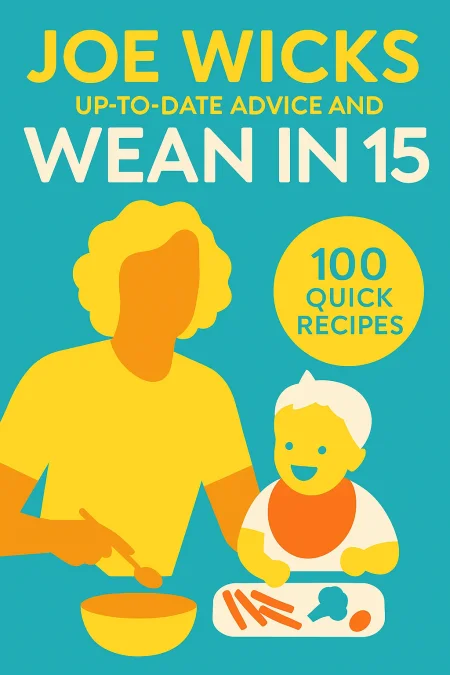
Wean in 15
Up-to-date Advice and 100 Quick Recipes
Book Edition Details
Summary
In the vibrant dance of parenting, Joe Wicks emerges as the maestro of meal times, transforming the potentially overwhelming journey of weaning into a symphony of delightful discovery. With "Wean in 15," Wicks, the celebrated culinary wizard and beloved PE guru, orchestrates a masterclass in nurturing your child's palate. Drawing on his own experiences with his daughter Indie, and fortified by the wisdom of renowned nutritionist Charlotte Stirling-Reed, this guide is a treasure trove of flavorful adventure. Here, the rigors of feeding schedules melt into a tapestry of 100 delectable recipes, thoughtfully designed to grow with your child. From playful finger foods to family meals, Wicks ensures each dish is a harmonious blend of health and happiness. Packed with time-saving tips and nutritional know-how, this book is your baton in conducting a lifetime of joyful eating, turning every bite into a milestone moment.
Introduction
The moment you place that first spoonful of food in front of your baby, everything changes. Those wide eyes, the curious reaching hands, the inevitable mess that follows – this is the beginning of one of parenting's most rewarding yet challenging adventures. Weaning isn't just about transitioning from milk to solid foods; it's about nurturing a lifetime relationship with nutrition, flavor, and family mealtimes. Many parents approach this milestone with a mixture of excitement and anxiety, wondering if they're doing everything right, worrying about choking hazards, and questioning whether their little one is getting enough nutrients. The truth is, weaning is beautifully unpredictable, wonderfully messy, and absolutely essential for your child's development. With the right approach, patience, and a sense of adventure, you can transform this potentially stressful period into an opportunity to raise a confident, curious eater who embraces variety and develops healthy habits that will serve them throughout life.
Starting Strong: First Foods and Foundation Building
The foundation of adventurous eating begins with understanding that babies are naturally curious about food, but they need gentle guidance to develop their palates beyond the familiar sweetness of milk. Rather than immediately reaching for traditionally sweet first foods like apple puree or baby rice, introducing babies to green and savory vegetables creates a crucial foundation for diverse eating habits. When Joe and Rosie first started weaning Indie at six months old, they were initially overwhelmed by conflicting advice and nervous about making mistakes. Following nutritionist Charlotte's guidance, they began with single tastes of vegetables like broccoli, cauliflower, and courgette for the first two weeks. Indie's initial reactions were priceless – her face would scrunch up in surprise at the new bitter and earthy flavors, but rather than interpreting these expressions as rejection, Joe and Rosie understood they were simply witnessing Indie's palate awakening to new experiences. The key was persistence without pressure, offering the same foods multiple times in different preparations. After those initial two weeks of vegetable exploration, Indie began accepting and even enjoying these foundational flavors. Her willingness to try new foods expanded, and she started showing genuine excitement at mealtimes. This early exposure to diverse tastes meant that when sweeter foods were later introduced, Indie already had a sophisticated palate that could appreciate the full spectrum of flavors. The practical approach involves preparing simple purees and finger foods simultaneously, allowing babies to experience foods in different textures. Start with well-cooked vegetables that can be easily mashed between your fingers, serve them as both smooth purees and soft finger foods, and remember that eating is a skill that develops over time. Always prioritize safety by ensuring proper preparation and never leave babies unattended while eating. Most importantly, create a calm, distraction-free environment where mealtimes become enjoyable experiences rather than battles of will. Your baby will naturally guide you toward their preferences and readiness for new textures, but maintaining variety and patience during these crucial early weeks sets the stage for a lifetime of healthy eating habits.
Expanding Horizons: Textures, Flavors and Family Foods
As babies become more confident with basic tastes and textures, the real adventure begins with introducing complex flavor combinations, diverse textures, and the magical world of herbs and spices. This stage represents a crucial shift from simple sustenance to genuine culinary exploration, where babies learn that food can be exciting, comforting, and deeply satisfying. Joe discovered this transformation when he first served Indie a creamy broccoli mash with paprika and cheese. Instead of the plain steamed broccoli she had initially rejected, this new preparation lit up her entire face with delight. She eagerly opened her mouth for more, clearly communicating that food could be both nutritious and delicious. This revelation changed everything about their approach to feeding. Rather than limiting Indie to bland "baby food," they began treating her like a tiny food enthusiast worthy of real flavors and interesting combinations. The magic continued as they introduced Indie to dishes like coconut milk-based curries with mild spices, herb-infused quinoa dishes, and creative combinations like butternut squash with cinnamon and almond butter. Each new flavor was an adventure, and Indie's growing confidence with different tastures meant she could handle increasingly complex dishes. When she encountered foods she wasn't immediately excited about, like plain avocado, Joe found creative ways to incorporate them into dishes she enjoyed, mixing avocado into wraps and pasta where the texture was more appealing. The key to this stage lies in gradual texture progression from smooth purees to slightly lumpy mashes, then to minced and chopped consistencies. Introduce finger foods that encourage self-feeding and help develop fine motor skills. Don't be afraid to experiment with gentle spices like paprika, cumin, cinnamon, and turmeric, which add both flavor and visual appeal to meals. Remember that food refusal is completely normal and often temporary. Instead of offering alternatives immediately, try reintroducing refused foods in different preparations or contexts. Maintain regular meal times to help babies develop healthy appetite patterns, and always eat together when possible, as babies learn tremendous amounts through observation and mimicry of family eating behaviors.
Growing Together: Advanced Meals and Independent Eating
The transition to family meals represents the culmination of the weaning journey, where babies become active participants in shared dining experiences rather than passive recipients of specialized baby food. This stage celebrates independence, creativity, and the joy of discovering that the whole family can enjoy the same delicious, nutritious meals together. By the time Indie reached her first birthday, mealtimes had evolved into genuine family experiences. Joe would prepare dishes like mild vegetable curries, quinoa risottos, and herb-rich pasta dishes that everyone could enjoy together, simply adjusting textures and portions for Indie's needs. She had developed impressive self-feeding skills, confidently using her pincer grip to pick up small pieces of food and even attempting to use utensils. Her adventurous palate meant she eagerly tried whatever the adults were eating, from salmon and beetroot samosas to chickpea and mushroom burgers. The transformation wasn't just about Indie's eating habits – it revolutionized the entire family's relationship with food. Joe found himself becoming more creative in the kitchen, batch-cooking nutritious meals that could serve the whole family while ensuring Indie received proper nutrition. Weekend cooking sessions became family affairs, with Indie helping to stir ingredients and sprinkle herbs, turning meal preparation into quality bonding time rather than a chore. This advanced stage requires embracing mess and imperfection while maintaining consistent boundaries around mealtimes. Encourage self-feeding even when it's slower and messier than spoon-feeding. Offer varied textures within the same meal, allowing babies to practice different eating skills. Continue introducing new foods regularly, as familiarity breeds acceptance over time. Create structured snack times rather than allowing constant grazing, which can interfere with appetite at main meals. When eating out, look beyond children's menus to find suitable options from regular menus that can be shared or adapted. Most importantly, trust your baby's appetite signals and avoid turning mealtimes into power struggles. Focus on the bigger picture of establishing healthy eating patterns rather than worrying about individual meals. Some days will be more successful than others, and that's completely normal. The goal is raising a child who views food positively, eats intuitively, and enjoys the social aspects of shared meals.
Summary
The journey from first tastes to family meals is ultimately about far more than nutrition – it's about building confidence, curiosity, and connection around food that will serve your child throughout their life. As Joe learned through his experience with Indie, "It doesn't matter what anyone thinks of your parenting as long as you and your baby are happy." This fundamental truth captures the essence of successful weaning: trusting yourself, following your baby's cues, and remembering that every child's journey is unique. The key is maintaining patience, embracing the inevitable mess and unpredictability, while consistently offering variety and modeling positive eating behaviors. Start today by simply sitting down to share a meal with your little one, even if it's just a few bites of whatever you're eating. Let them explore, make choices, and discover that food is one of life's great pleasures, not a source of stress or conflict.
Related Books
Download PDF & EPUB
To save this Black List summary for later, download the free PDF and EPUB. You can print it out, or read offline at your convenience.
By Joe Wicks
