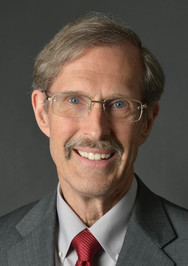
Bill Eddy
Bill Eddy, a distinguished American expert in conflict resolution, stands at the unique intersection of law, psychology, and mediation. As both a lawyer and a therapist, he brings a dual perspective to the intricate dynamics of high-conflict personalities. Eddy is the co-founder and President of the High Conflict Institute, where he pioneered the "High Conflict Personality" theory, a framework that has garnered international recognition. His extensive experience includes a career as a Certified Family Law Specialist in California and Senior Family Mediator at the National Conflict Resolution Center in San Diego. Before entering the legal field, Eddy spent over a decade as a Licensed Clinical Social Worker, providing therapy to diverse clients and honing his expertise in managing complex interpersonal dynamics. Among Eddy’s prolific contributions to the literature on high-conflict personalities, "5 Types of People Who Can Ruin Your Life: Identifying and Dealing with Narcissists, Sociopaths, and Other High-Conflict Personalities" stands out for its incisive analysis and practical guidance. His works, including "High Conflict People in Legal Disputes" and "SPLITTING: Protecting Yourself While Divorcing Someone with Borderline or Narcissistic Personality Disorder," have achieved critical acclaim for their depth and accessibility. These books delve into the challenging behaviors of individuals with personality disorders, offering strategies for managing their impact in personal and professional settings. Eddy's publications have not only resonated with readers across the globe but have also become essential resources for professionals in various fields, from law to mental health. Eddy’s writing is characterized by its clarity and insight, seamlessly blending psychological depth with practical advice. His works consistently explore the themes of conflict management and personality dynamics, positioning him as a leading voice in the realm of dispute resolution and psychological education. Through his innovative methods, such as the "New Ways for Families" program, he continues to contribute significantly to the understanding and management of high-conflict behaviors, leaving an indelible mark on both the literature and practice of conflict resolution.


by Paul J. Zak
by Rory Vaden
by Robert C. Solomon, Fernando Flores
by Brett Gardner
by Dennis S. Reina
by Julian Baggini
by Larry Downes, Omar Abbosh, Paul Nunes
by Jacqueline Woodson
by Kevin Oakes
by Lindsey Pollak, Kimberly B. Cummings, Kimberly Brown
