
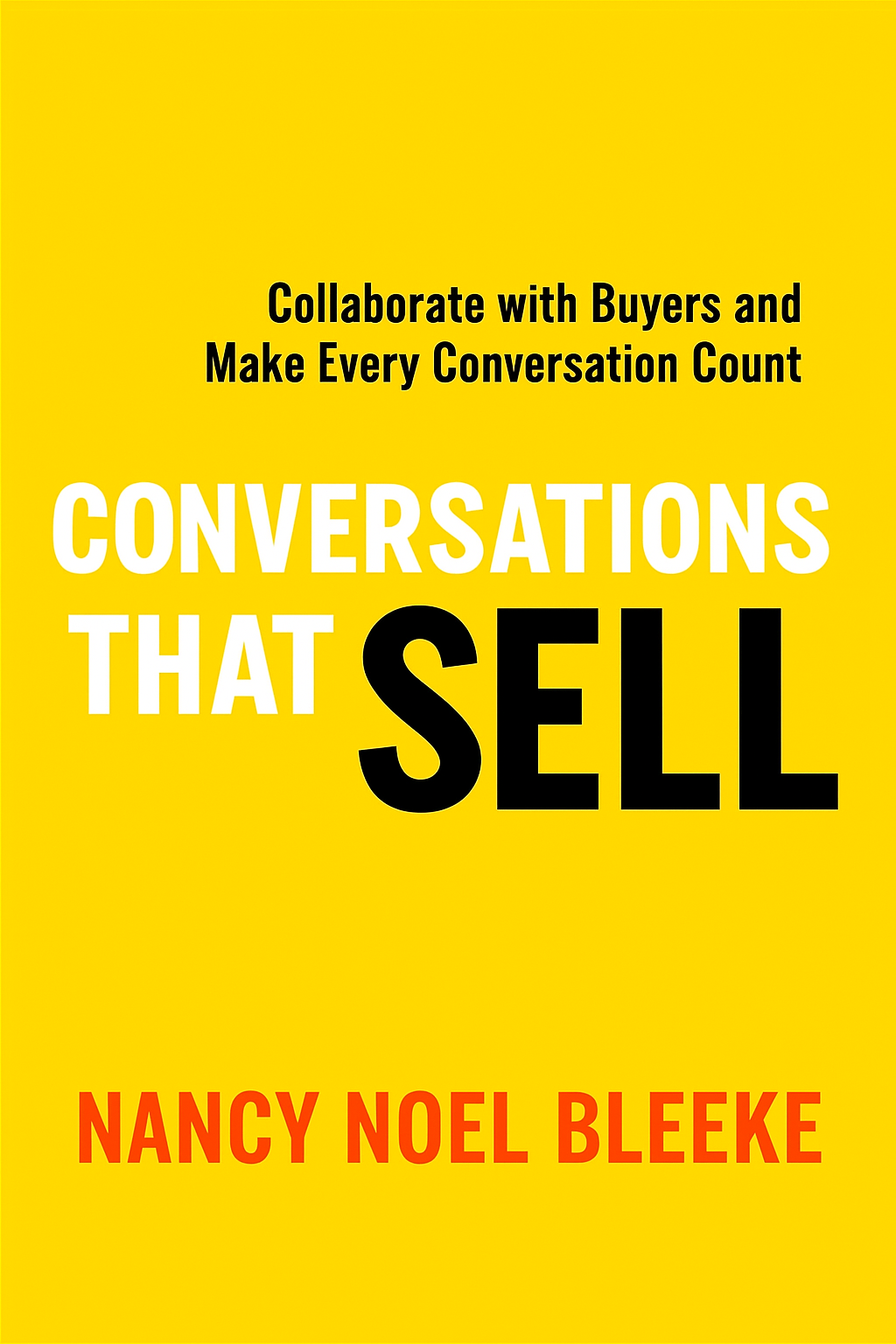
Conversations That Sell
Collaborate with Buyers and Make Every Conversation Count
Book Edition Details
Summary
In the world of modern sales, the game has changed—it's no longer just about closing deals but creating genuine connections. "Conversations That Sell" is your guide to mastering the art of meaningful dialogue, where every interaction is a dance of shared value and trust. This isn't just another sales manual; it's a fresh blueprint for transforming typical consultations into collaborative triumphs. With a clever twist on the "What's in It for Them" approach, you'll navigate the delicate dance of buyer types, uncover hidden opportunities, and smoothly sail past objections. This book is an indispensable toolkit for sales professionals eager to refine their skills and secure lasting success. Let each conversation be your canvas, painting a masterpiece of mutual wins.
Introduction
Every professional knows the feeling: you're sitting across from a potential client, the energy is right, the conversation is flowing, yet somehow the sale doesn't close. Or perhaps you find yourself dreading those crucial conversations that could transform your career, your relationships, or your business outcomes. The truth is, most of us were never taught how to have conversations that truly matter—conversations that create genuine connections, uncover real needs, and lead to mutually beneficial outcomes. In a world where buyers are more informed and skeptical than ever, where genuine human connection has become a rare commodity, the ability to engage in meaningful dialogue isn't just valuable—it's essential for success. The secret lies not in manipulation or aggressive tactics, but in a collaborative approach that focuses on what matters most to the person sitting across from you.
The Power of Collaborative Selling
Collaborative selling represents a fundamental shift from the traditional adversarial approach where buyers and sellers sit on opposite sides of the table, each trying to win at the other's expense. At its core, collaborative selling means working side-by-side with your buyer to achieve something you both want: they want a solution to their problems, and you want a sale. This approach centers on the concept of WiifT—What's in it for Them—ensuring every aspect of your conversation focuses on the buyer's problems, opportunities, wants, and needs. Consider the story of Nancy Bleeke's early consulting days, when she was competing for a multi-year training engagement in financial services. Following traditional advice, she tried to stay invisible and let the product sell itself, focusing entirely on features and benefits while minimizing her own expertise and personality. Despite winning the project, this approach cost her dearly—tens of thousands of dollars over four years. She had to hire an outside trainer who fit the client's preconceived notions while she took a backseat role as account executive. The turning point came during a productive meeting where Nancy finally demonstrated her knowledge, insight, and problem-solving abilities. One of the original decision-makers asked, "Where were you during the sales process?" The client revealed that if they had seen Nancy's intelligence, expertise, and genuine personality during the sales process, she wouldn't have needed to bring in the outside trainer. This experience taught Nancy that collaborative selling isn't about hiding behind your product—it's about being an integral part of the solution while maintaining laser focus on the buyer's needs. The collaborative approach creates what Nancy calls a Win³ situation—where you win, your buyer wins, and both companies benefit. This method involves asking better questions, listening more intently, and involving buyers in developing solutions rather than presenting predetermined packages. The key is demonstrating genuine interest in their success while positioning yourself as a valuable resource rather than just another salesperson pushing a product.
The WIIFT System for Sales Success
The WIIFT system provides a structured yet flexible framework for conducting collaborative sales conversations that consistently move toward successful outcomes. WIIFT stands for Wait, Initiate, Investigate, Facilitate, and Then Consolidate—five sequential steps that ensure every conversation counts. This systematic approach helps you maintain focus on the buyer while moving purposefully toward a decision, whether that's a purchase, a follow-up meeting, or advancing the relationship to the next level. Nancy discovered the power of systematic preparation when working with a seller from India who used the WIIFT framework to close a $4.6 million sale in a single visit. His team invested significant time preparing for the meeting, reviewing the buyer's communication style and preferences, adjusting their presentation order and talking points accordingly, and practicing responses to likely questions and concerns. This thorough preparation using the WIIFT system allowed them to present with confidence and address the buyer's specific needs immediately rather than requiring the typical four visits for this type of opportunity. The success stemmed from their systematic approach to each step. They Waited by eliminating distractions and focusing entirely on this buyer's situation. They Initiated with a purposeful start that immediately demonstrated value and relevance. Their Investigation uncovered the buyer's true problems, opportunities, wants, and needs through intelligent questioning. They Facilitated a collaborative discussion of their solution, connecting every feature to specific benefits for this buyer. Finally, they Consolidated by asking for the decision and securing commitment to move forward. The WIIFT system works because it provides curbs that keep you safe while allowing room to maneuver within the lanes. You can adapt each step to your personality, industry, and specific buyers while maintaining the proven structure that leads to successful outcomes. The key is preparing for each step, practicing the transitions between steps, and remaining flexible enough to circle back when necessary—perhaps returning to Investigation if new concerns surface, or revisiting Facilitation if additional value needs to be demonstrated.
Building Your Sales Skill and Will
Sales success depends on two critical factors: Skill (your competence in knowing what to do and executing effectively) and Will (your confidence and drive to take action). While most sales training focuses exclusively on skill development, the Will factor often determines who takes the necessary actions consistently. The most successful salespeople aren't necessarily those who know the most—they're the ones who combine adequate knowledge with the drive to prospect regularly, prepare thoroughly, build relationships systematically, and ask for decisions confidently. The story of a banking executive illustrates this principle perfectly. Despite being highly knowledgeable about operations, products, and customers, many branch managers lacked the confidence that matched their expertise. The bank invested in a day-long image and presentation skills event, bringing in speakers for professional development and providing cash bonuses for immediate implementation. The results were remarkable: managers showed increased confidence in how they carried themselves and gained significantly more credibility with business customers. The board of directors declared it a wise investment because it addressed both skill and will simultaneously. The Will factor consists of four Success Drivers: Integrated Beliefs (confidence in yourself, your role, and your solution's value), Goal Transparency (written, specific, measurable goals visible to others), Initiative (self-directed, proactive energy focused on productive activities), and Emotional Intelligence (awareness and management of emotions and their impact on actions). These drivers work together—strengthening one positively affects the others, while weakness in any area diminishes overall performance. Building your Skill and Will requires honest self-assessment and targeted development. Document your successes to build confidence in yourself. Engage regularly with sales development resources to strengthen your belief in the profession. Create detailed lists of the value you and your solution provide to buyers. Set transparent goals with specific timelines and share them with stakeholders for accountability. Take initiative on the activities you know matter, even when you don't feel like doing them. Develop emotional resilience by maintaining a "smile file" of appreciation notes and success stories to review during challenging times. Remember, whether you were born a natural salesperson matters far less than your willingness to develop yourself into one through consistent skill building and will strengthening.
Summary
The path to sales excellence lies not in manipulation or aggressive tactics, but in genuine collaboration that places the buyer's interests at the center of every interaction. As the book emphasizes, "You are an essential component of what you sell" and "the buyer's experience and value is enhanced when you give them the opportunity to engage with you personally." This fundamental truth transforms the entire sales dynamic from adversarial to collaborative, creating outcomes where everyone wins. The WIIFT system provides the roadmap, while understanding Tribal Types ensures your message resonates with each unique individual. Most importantly, developing both your skill and will ensures you'll take the consistent actions necessary for long-term success. Start today by preparing for your next sales conversation using the WIIFT framework—eliminate distractions, focus on what's in it for them, and approach the dialogue as a collaborative problem-solving session rather than a product presentation. This single shift in mindset and methodology will transform not only your sales results but also how you feel about the vital profession of selling.
Related Books
Download PDF & EPUB
To save this Black List summary for later, download the free PDF and EPUB. You can print it out, or read offline at your convenience.
By Nancy Noel Bleeke
