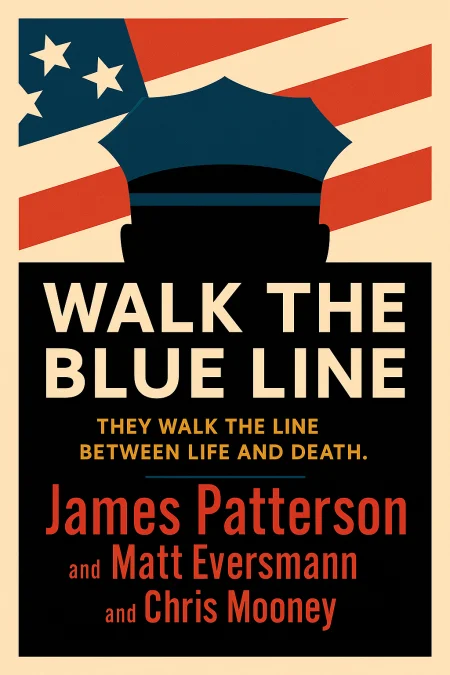
Walk the Blue Line
They walk the line between life and death
byJames Patterson, Matt Eversmann, Chris Mooney
Book Edition Details
Summary
In the heartbeat of every siren, a story pulses with raw intensity and unyielding courage. "Walk the Blue Line" immerses you in the relentless, often harrowing world of American law enforcement, where duty and danger collide. Through the eyes of patrol officers, K9 handlers, sheriffs, and detectives, these vivid narratives reveal the human faces behind the badge. Each page echoes with the sacrifices and triumphs, the silent burdens, and the unwavering resolve of those who stand on the front lines. Here, justice isn't just a concept—it's a calling that demands everything. This gripping collection isn't merely about the uniform; it's about the indomitable spirit that defines those who wear it.
Introduction
When Jake stepped into that construction zone at Fort Jackson, writing a speeding ticket to a one-star general, he embodied something fundamental about law enforcement: the principle that the badge serves justice, not power. His story, along with dozens of others collected here, reveals the extraordinary courage required not just in moments of crisis, but in the daily commitment to serve communities under increasingly difficult circumstances. These are the voices of men and women who chose to stand between chaos and order, often at tremendous personal cost. From rookie patrol officers to seasoned federal agents, from small-town sheriffs to big-city detectives, these law enforcement professionals share their most challenging cases, their darkest moments, and their greatest triumphs. Their accounts span decades and jurisdictions, revealing both the evolution of policing and the timeless human elements that drive people to dedicate their lives to protecting others. Through their eyes, we witness the weight of split-second decisions, the burden of carrying society's traumas, and the profound satisfaction that comes from bringing justice to victims and their families. These stories illuminate three essential aspects of modern law enforcement: the physical and moral courage required to confront danger daily, the deep commitment to serving communities even when facing criticism and hostility, and the personal sacrifices officers make to defend the principles of justice and public safety.
Into the Fire: Early Years and First Encounters
The academy can prepare recruits for many things, but nothing quite matches that first real encounter with violence, tragedy, or moral complexity. For most officers, their baptism by fire comes unexpectedly, transforming theoretical knowledge into visceral understanding of what it truly means to wear the badge. These formative experiences shape not just their careers, but their fundamental understanding of human nature and their role in society. Jake's first SWAT operation began as a routine drug warrant but quickly escalated when bullets started flying through an apartment door. The realization that he could have been killed in those chaotic minutes changed everything. The sensory overload, the split-second decisions, the weight of accountability for every round fired—these elements became the foundation of his tactical education. Similarly, other officers describe their first encounters with domestic violence, child abuse, or fatal accidents, each leaving indelible marks on their understanding of the job's true demands. The transition from civilian to law enforcement officer involves more than learning procedures and tactics. It requires developing what veterans call "tactical maturity"—the ability to remain calm under extreme stress while making decisions that can mean the difference between life and death. This process is deeply personal and often painful, as idealistic young officers confront the harsh realities of human behavior and societal problems. These early experiences also reveal the importance of mentorship and peer support in law enforcement culture. Veteran officers who take time to guide rookies, sharing hard-won wisdom about everything from tactical positioning to emotional resilience, become lifelines for those struggling to find their footing in a demanding profession. The stories show how proper training, combined with experienced guidance and personal reflection, helps transform raw recruits into competent professionals capable of serving their communities effectively.
On the Front Lines: Daily Courage and Community Service
Beyond the dramatic encounters that make headlines, law enforcement work consists largely of countless daily interactions with community members facing their worst moments. Officers respond to domestic disputes at 3 a.m., comfort grieving families, mediate neighborhood conflicts, and provide stability in chaotic situations. This routine courage—showing up consistently for people who may not want their help—defines much of police work. The stories reveal officers going far beyond their official duties to serve their communities. Whether it's buying food for a suicidal man, helping deliver a baby in a parking lot, or tracking down a lost cat, these acts of service build the human connections that make effective policing possible. Officers describe learning that their presence, properly applied, can de-escalate volatile situations and provide comfort to those in crisis. The ability to communicate effectively, show empathy while maintaining authority, and read human behavior becomes as important as any tactical skill. Community policing efforts showcase law enforcement at its best, with officers building relationships that prevent crime rather than simply responding to it. Programs that put officers in schools, organize youth activities, and create positive interactions between police and residents demonstrate the profession's potential for social good. These initiatives require officers to be teachers, mentors, and community leaders in addition to their enforcement duties. However, these same stories also reveal the challenges officers face in maintaining their humanity while confronting society's problems daily. The accumulated weight of seeing domestic violence, child abuse, drug addiction, and poverty can lead to cynicism and emotional exhaustion. Officers describe the constant challenge of remaining compassionate and approachable while developing the necessary psychological armor to function effectively in their roles. The most successful officers learn to balance professional detachment with genuine care for the people they serve.
The Weight of the Badge: Trauma, Loss, and Resilience
The psychological toll of law enforcement work extends far beyond the obvious dangers of armed confrontations. Officers carry the accumulated trauma of every child abuse case, every fatal accident, every senseless act of violence they encounter. This emotional burden, combined with shift work, family stress, and public scrutiny, creates unique challenges that many officers struggle to address. Stories of post-traumatic stress reveal both the scope of the problem and the evolution of how law enforcement agencies address mental health issues. Officers describe flashbacks, hypervigilance, sleep disorders, and other symptoms that can persist long after traumatic incidents. The traditional culture of law enforcement, which emphasized stoicism and self-reliance, often made it difficult for officers to seek help without fear of career consequences or peer judgment. The accounts also highlight the devastating impact of officer suicides, with several contributors noting they've known more colleagues who died by their own hand than in the line of duty. This stark reality has prompted departments to develop peer support programs, mandatory counseling policies, and other resources to address mental health proactively. Officers who found healing through therapy, EMDR, or other treatments share their experiences to encourage others to seek help. Family relationships bear particular strain, as officers struggle to leave work-related stress at the station while dealing with irregular schedules and the constant possibility of danger. Spouses and children must adapt to the realities of loving someone whose job involves regular exposure to society's worst elements. The most resilient officers develop strong support networks, healthy coping mechanisms, and clear boundaries between their professional and personal lives, recognizing that taking care of themselves ultimately serves their communities better.
Beyond the Call: Justice, Redemption, and Legacy
The most profound police work often extends far beyond individual arrests or case closures. Officers describe the long-term relationships they develop with crime victims and their families, continuing to provide support and updates years after initial investigations. These connections transform routine professional duties into deeply personal missions for justice and healing. Cold case investigations exemplify this extended commitment, with detectives spending decades pursuing leads and applying new technologies to cases that others might consider hopeless. The determination to bring closure to families who have waited years for answers demonstrates the profound sense of responsibility many officers feel toward victims and their communities. When these cases finally break—through new DNA evidence, witness testimony, or investigative breakthroughs—the satisfaction validates years of persistent effort. Perhaps most remarkably, several accounts describe officers who helped transform the lives of people they initially arrested or encountered as suspects. Through patient mentoring, consistent encouragement, and genuine care, these officers became catalysts for positive change in individuals who might otherwise have remained trapped in cycles of crime and addiction. These stories reveal law enforcement's potential as a force for redemption and social healing, extending far beyond its enforcement functions. The legacy these officers hope to leave centers on the idea that law enforcement, at its best, serves as a guardian of society's most vulnerable members while upholding the principles of justice and human dignity. They recognize that their profession faces significant challenges and legitimate criticism, but remain committed to demonstrating through their daily actions that police work can be a noble calling dedicated to protecting and serving all members of their communities.
Summary
The thin blue line represents more than a symbol—it embodies the commitment of ordinary people to stand between chaos and order, often at extraordinary personal cost, driven by a fundamental belief in justice and service to others. These officers' experiences reveal that effective law enforcement requires not just physical courage and tactical skill, but emotional intelligence, moral fortitude, and an unwavering commitment to treating all people with dignity and respect. Their stories demonstrate that the best police work happens not in dramatic confrontations but in countless daily interactions where officers choose compassion over callousness, patience over expedience, and service over self-interest. From these accounts, we learn that resilience in law enforcement—as in life—comes from building strong relationships, seeking help when needed, and maintaining perspective about our larger purpose even in the face of daily challenges. For those considering careers in public service, these stories offer both sobering realities and inspiring examples of how dedicated individuals can make profound differences in their communities through consistent, principled action.
Related Books
Download PDF & EPUB
To save this Black List summary for later, download the free PDF and EPUB. You can print it out, or read offline at your convenience.
By James Patterson
