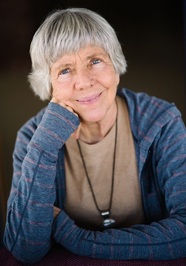
Mary Pipher
Mary Elizabeth Pipher, widely recognized as Mary Bray Pipher, emerges as a pivotal figure in American psychology and literature. As a clinical psychologist, her insights into human behavior and societal dynamics have profoundly influenced her written work, imbuing it with both depth and empathy. Born and raised in the heartland of the United States, Pipher's Midwestern roots and academic pursuits have informed her nuanced understanding of cultural and generational shifts, allowing her to speak directly to the heart of the human experience. Among Pipher's distinguished oeuvre, "Women Rowing North: Navigating Life’s Currents and Flourishing As We Age" stands out as a beacon of wisdom and guidance for those traversing the complexities of aging. This work, acclaimed for its compassionate and insightful narrative, explores the myriad challenges and joys encountered by women in their later years. Prior to this, Pipher penned "The Green Boat," a compelling examination of ecological activism and community resilience, which garnered significant attention for its timely and hopeful message. Her books, often gracing bestseller lists, are celebrated for their ability to resonate with readers across generations, providing both solace and inspiration. Mary Pipher's literary style is characterized by a blend of psychological acuity and eloquent prose. Her writings delve into themes of identity, resilience, and the intricate tapestry of human relationships, establishing her as a leading voice in contemporary psychological literature. Through her poignant narratives and insightful analyses, Pipher contributes significantly to our understanding of personal and communal well-being, cementing her legacy as both a compassionate healer and a transformative author.


by Paul J. Zak
by Rory Vaden
by Robert C. Solomon, Fernando Flores
by Brett Gardner
by Dennis S. Reina
by Julian Baggini
by Larry Downes, Omar Abbosh, Paul Nunes
by Jacqueline Woodson
by Kevin Oakes
by Lindsey Pollak, Kimberly B. Cummings, Kimberly Brown
